What Foreigners Should Ask Before Dental Treatment in Korea
Getting dental treatment in Korea is often affordable, efficient, and high quality—but for foreigners, asking the right questions upfront can prevent misunderstandings, unexpected costs, and insurance issues. This SEO-friendly guide covers exactly what to ask before starting dental care in Korea.
Why Asking Questions Matters for Foreign Patients in Korea
Korea’s dental system is different from many Western countries. Some treatments are partially covered by National Health Insurance (NHIS), others are not, and pricing transparency can vary by clinic. Language barriers and insurance assumptions can also cause confusion.
Asking these questions helps you:
- Avoid surprise fees
- Confirm insurance coverage
- Understand treatment options
- Plan payment correctly
- Compare clinics fairly
Questions About Insurance & Coverage
Is This Treatment Covered by National Health Insurance (NHIS)?
Not all dental procedures are covered. Ask:
- Is this procedure NHIS-covered or non-covered?
- What percentage is covered?
- Is there an age restriction or eligibility requirement?
Common NHIS-covered items (partial):
- Dental checkups
- Scaling (once per year)
- Basic fillings (amalgam/resin, limited cases)
- Tooth extractions
Usually NOT covered:
- Crowns (except limited elderly coverage)
- Implants (partial coverage for seniors only)
- Veneers, whitening, cosmetic work
Do You Accept My Insurance as Direct Billing?
If you have:
- Korean NHIS
- Private Korean insurance (실비보험)
- Overseas or expat insurance
Ask:
- Do you process direct billing, or do I pay first and claim later?
- Will you provide English receipts and diagnosis codes?
Questions About Cost & Pricing
What Is the Total Cost Before Treatment Starts?
Always ask for:
- Total price before treatment
- Cost per tooth (important for fillings, crowns, implants)
- Whether VAT is included
Good clinics will provide a written estimate.
Are There Cheaper or Covered Alternatives?
Ask:
- Is there a covered option instead of a cosmetic one?
- What is the difference in durability and appearance?
- Can treatment be split into stages to reduce cost?
Questions About the Procedure Itself
What Exactly Is the Diagnosis?
Ask the dentist to explain:
- Which tooth is affected
- Whether the issue is decay, fracture, or nerve-related
- If X-rays or CT scans are required
Tip: Ask to see the X-ray—this is normal in Korea.
Are There Multiple Treatment Options?
For example:
- Filling vs crown
- Root canal vs extraction
- Implant vs bridge
Ask:
- Pros and cons of each option
- Expected lifespan
- Cost differences
Questions About the Dentist & Clinic
Who Will Perform the Procedure?
Ask:
- Will a licensed dentist perform it?
- Is the dentist experienced with this specific treatment?
- Will the same dentist handle follow-ups?
Is This Clinic Foreigner-Friendly?
Important questions:
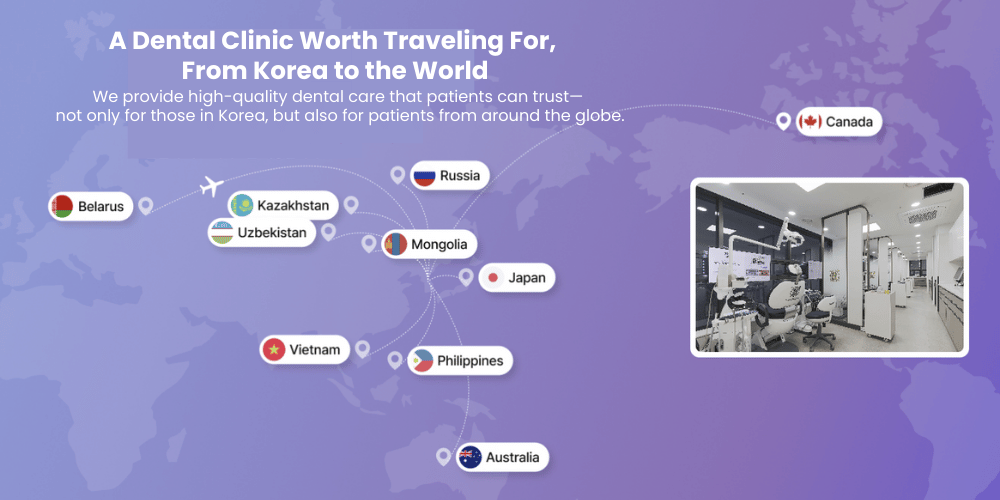
- Is English (or your language) available?
- Are explanations and consent forms provided in English?
- Is staff experienced with foreign insurance or NHIS foreigners?
Questions About Pain, Anesthesia & Safety
What Type of Anesthesia Is Used?
Ask:
- Local anesthesia only?
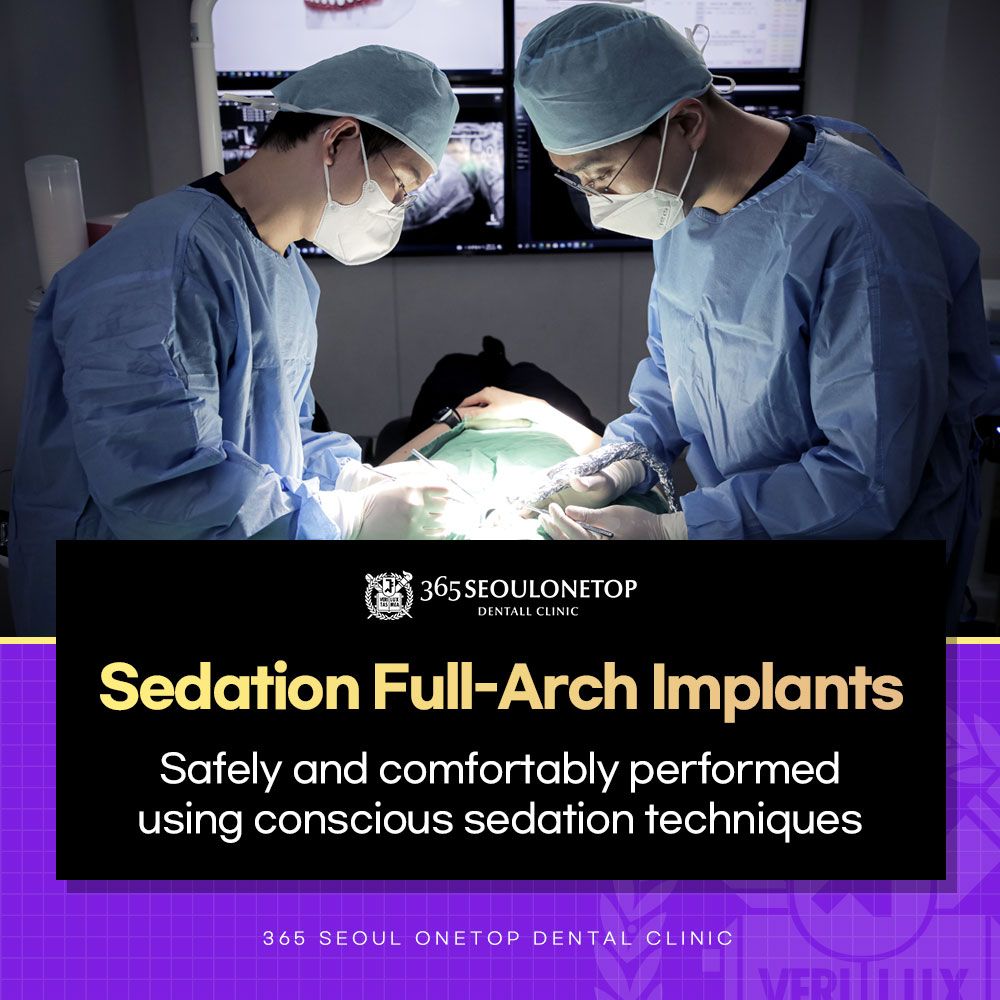
- Is sedation available if needed?
- Are there extra fees for anesthesia?
What Are the Risks or Side Effects?
Especially important for:
- Root canals
- Implants
- Wisdom tooth extraction
Ask about:
- Pain duration
- Swelling
- Infection risk
- What to do if complications occur
Questions About Follow-Ups & Guarantees
Are Follow-Up Visits Included in the Price?
Ask:
- Is the follow-up check free?
- Are adjustments included (especially for crowns or dentures)?
- What happens if pain continues?
Is There Any Warranty?
Common in Korea:
- Crowns and implants may include a 1–2 year warranty
Ask:
- What is covered under the warranty?
- Does it apply if I leave Korea?
Questions About Payment
How and When Do I Pay?
Ask:
- Do I pay on the same day?
- Credit card or bank transfer accepted?
- Is partial payment possible?
In Korea, payment is usually made immediately after treatment.
Final Checklist for Foreigners
Before saying yes, make sure you know:
- ✔ Total cost
- ✔ Insurance coverage
- ✔ Treatment alternatives
- ✔ Who performs the procedure
- ✔ Follow-up policy
Final Thoughts
Dental care in Korea can be excellent and cost-effective—but only if you ask the right questions. Taking five extra minutes to clarify coverage, pricing, and treatment options can save you time, money, and stress.