Is Orthodontic Treatment Cheaper in Korea?
Yes — orthodontic treatment in Korea is generally more affordable than in many Western countries, especially when compared to the United States and parts of Europe. This price advantage applies to both traditional braces and clear aligner treatments like Invisalign.
Braces: Lower Cost Than the U.S. and Europe
In Korea, the average total cost of braces (metal, ceramic, lingual, or clear aligners) tends to be noticeably lower than prices in the U.S. and many Western countries:
- Many Korean orthodontic packages for braces fall into roughly $3,200 to $4,500 USD on average (≈ ₩4M–₩6M+) including consultation, diagnostics, placement, adjustments, and retainers.
- In contrast, the average cost of braces in the United States is often cited around $5,000+ for a comprehensive treatment.
This means braces in Korea can be about 30–40% less expensive than in the U.S., depending on type and case complexity.
Comparing exact numbers:
- Traditional braces (Korea): often less than the U.S. average
- Ceramic or lingual braces: still generally more affordable in Korea even as premium options
- Packages: Korean quotes often bundle services (consultations, follow-ups, retainers) that may be charged separately in other countries.
Clear Aligners (Invisalign): Competitive Global Pricing
For clear aligner orthodontics like Invisalign, Korea also tends to have competitive prices:
- Invisalign in Korea generally costs around $1,500 – $5,900 USD depending on clinic, case complexity, and aligner plan.
- In the U.S., Invisalign treatment typically runs about $3,000 – $8,000+ USD for a full treatment plan.
This means Korean Invisalign prices are often around 25–30% cheaper compared with typical U.S. rates.
Keep in mind that Invisalign pricing varies widely with case severity — simpler cases can be much cheaper, while more complex ones with refinements cost more.
Why Orthodontics Is Often Cheaper in Korea
Several factors help explain why orthodontic treatment costs tend to be lower overall:
📌 1. Competitive Healthcare Environment
Korea has a high density of dental clinics and specialists, which boosts competition and keeps prices relatively lower than in markets with fewer providers. Jivaka Beauty
📌 2. Efficient Digital Workflows
Many Korean clinics use digital scanners, 3D planning, and in-house labs, which can reduce lab fees and shorten treatment time — savings that sometimes get passed on to patients.
📌 3. Dental Tourism & Pricing Strategy
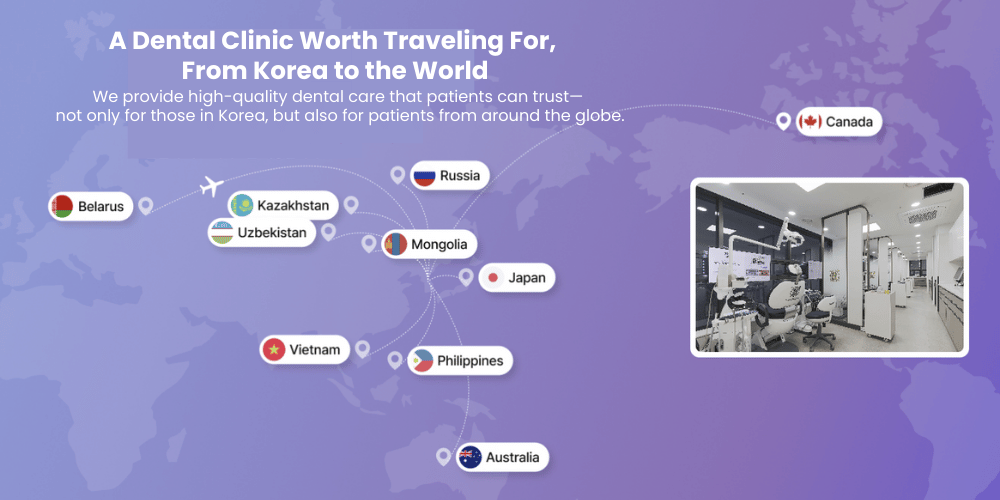
Korea markets dental services to international patients, often with transparent packages and competitive pricing to attract patients from overseas.
📌 4. Lower Operating Costs
While Western clinics may have higher overhead (insurance costs, liability expenses, staffing), Korean dental clinics often have lower operating costs overall, which helps reduce treatment prices.
Patient Cost Example Comparison (Indicative)
Braces (Full Treatment)
- 🇰🇷 Korea: ~$3,200–$4,500+
- 🇺🇸 USA: ~$5,000+ as a rough average
Invisalign (Clear Aligners)
- 🇰🇷 Korea: ~$1,500–$5,900
- 🇺🇸 USA: ~$3,000–$8,000+
These numbers represent general market pricing and vary by clinic, case, location, and specific treatment plan.
Things to Consider
✔
Case complexity matters: More severe alignment issues will increase cost everywhere, including Korea.
✔
Packages vary: Make sure what’s included (consultation, x-rays, adjustments, retainers) is clearly outlined.
✔
Travel and logistics: If you’re coming from abroad, factor in flight and lodging costs, though savings on the procedure often still outweigh travel expenses.
✔
Local follow-up: Long-term follow-up may require coordination with a dentist at home if you won’t stay in Korea for the full duration.
Final Takeaway
Orthodontic treatment in Korea—whether braces or Invisalign—tends to be cheaper than in many Western countries, especially the United States, while still maintaining high clinical standards. For many patients, this price advantage, combined with advanced digital workflows and quality care, makes Korea an attractive option for orthodontic treatment.