Bone Grafting for Dental Implants in Korea
Bone grafting is a common and well-established procedure in Korea for patients who want dental implants but lack sufficient jawbone volume. Thanks to advanced imaging, refined surgical techniques, and high implant success rates, Korea has become a trusted destination for implant-related bone grafting.
This guide explains when bone grafting is needed, how it’s done, how much it costs, and what recovery looks like—especially for international patients.
Why Bone Grafting Is Needed Before Dental Implants
Dental implants must be anchored securely into the jawbone. Bone grafting becomes necessary when:
- Teeth have been missing for a long time
- Jawbone has shrunk due to bone resorption
- Periodontal (gum) disease has damaged bone
- Previous implant attempts failed
- The upper jaw lacks height near the sinus cavity
Without adequate bone density and volume, implant stability and long-term success are compromised.
Types of Bone Grafting Commonly Used in Korea
Korean dental clinics select grafting methods based on bone loss severity and implant location.
Guided Bone Regeneration (GBR)
The most common method for mild to moderate bone loss. Bone graft material is placed with a protective membrane to encourage natural bone growth.
Sinus Lift (Upper Jaw)
Used when placing implants in the upper molar area. The sinus membrane is gently elevated to create space for bone graft material.
Block Bone Graft
Used in severe bone deficiency cases. A solid block of bone (often autogenous or processed) is fixed to the jaw to rebuild volume.
Socket Preservation
Performed immediately after tooth extraction to prevent future bone loss and simplify implant placement later.
Bone Graft Materials Used in Korea
Korean clinics use internationally accepted graft materials, selected based on safety and predictability:
- Synthetic bone substitutes (very common)
- Xenografts (processed animal bone)
- Allografts (donor bone, highly purified)
- Autogenous bone (patient’s own bone, used selectively)
Strict regulation ensures materials meet medical safety standards.
Cost of Bone Grafting in Korea
Bone grafting cost varies depending on complexity and graft type. Typical ranges include:
- Minor bone graft (localized): ₩300,000 – ₩700,000
- Moderate grafting or GBR: ₩500,000 – ₩1,500,000
- Sinus lift: ₩800,000 – ₩2,000,000+
- Block bone graft: higher, case-dependent
Bone grafting is usually not included in standard implant pricing and should be confirmed separately during consultation.
Bone Grafting Procedure: What to Expect
Most bone grafting procedures in Korea follow this sequence:
- Digital CT scan and bone assessment
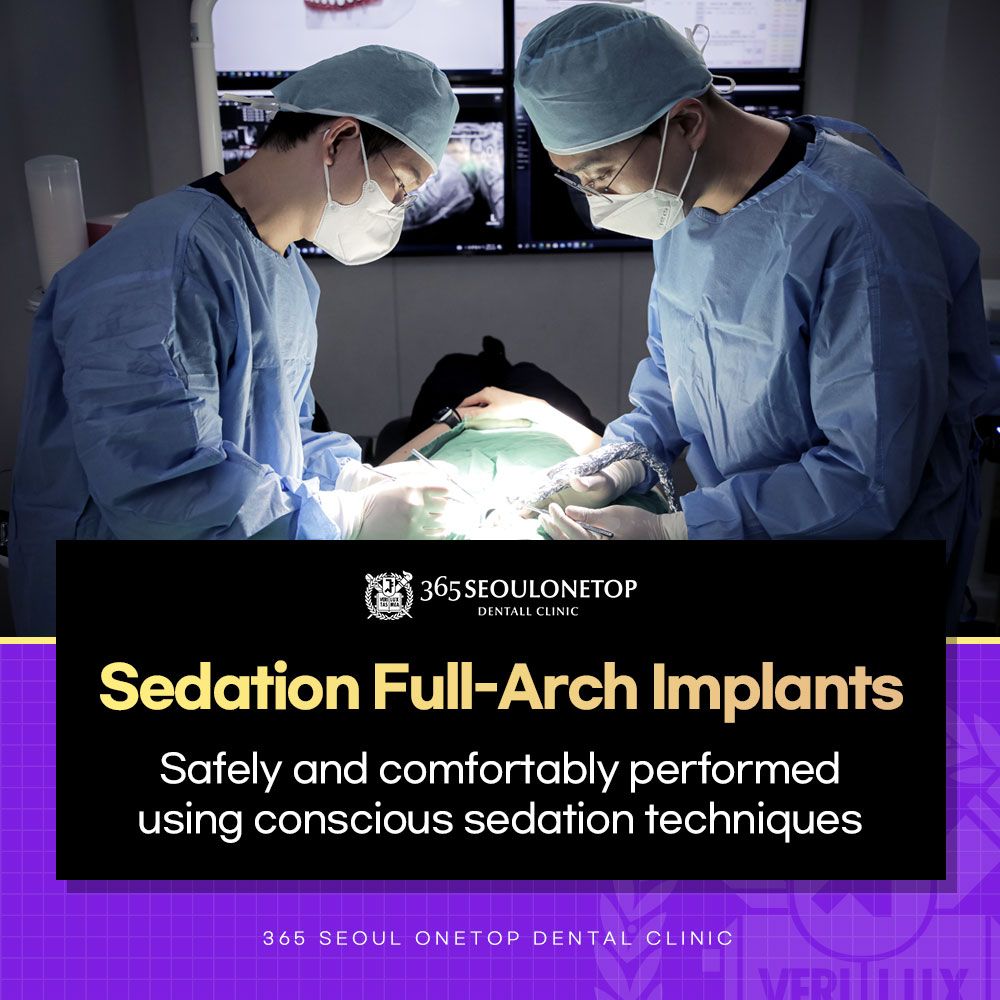
- Local anesthesia or sedation (if requested)
- Bone graft placement (30–90 minutes, depending on type)
- Protective membrane placement (if needed)
- Suturing and post-op care instructions
Many procedures are done on an outpatient basis.
Recovery Time and Healing Period
Recovery depends on graft size and location:
- Initial swelling: 3–7 days
- Stitches removed: usually within 7–10 days
- Bone integration period: 3–6 months before implant placement
Korean clinics generally prioritize full healing rather than rushing implant placement, which improves long-term outcomes.
Is Bone Grafting Safe in Korea?
Yes. Bone grafting is considered very safe in Korea due to:
- Advanced diagnostic imaging
- High procedural volume
- Conservative surgical philosophy
- Strict infection control standards
Major dental hubs like Seoul are known for implant-focused clinics with extensive grafting experience.
Can Bone Grafting and Implants Be Done Together?
In some mild cases, simultaneous bone grafting and implant placement may be possible. However, for moderate to severe bone loss, Korean dentists often recommend staged treatment to ensure implant stability and reduce failure risk.
Final Takeaway
Bone grafting for dental implants in Korea is:
- Widely performed and highly standardized
- Supported by advanced imaging and digital planning
- More affordable than in many Western countries
- Focused on long-term implant success, not shortcuts
For patients told they are “not candidates” elsewhere, Korea often offers safe, predictable solutions through modern bone grafting techniques.