Dental Implant Cost in Korea: Full Breakdown
Dental implants in Korea are known for combining advanced technology with relatively affordable pricing. For international patients, however, understanding what the quoted price actually includes is essential. Below is a complete, transparent breakdown of dental implant costs in Korea, without confusing package pricing or fine print.
Average Dental Implant Cost in Korea
For most clinics in Seoul and major cities, the total cost of one complete dental implant typically falls within this range:
- ₩1,000,000 – ₩2,500,000 per tooth
(approximately $700 – $1,900 USD)
This price usually reflects a standard, uncomplicated case using a titanium implant and a ceramic or zirconia crown.
Be cautious of advertisements showing extremely low prices. Many of these only cover the implant fixture and exclude essential components.
What Is Usually Included in the Price?
In a transparent quote, a full dental implant cost in Korea normally includes:
- Initial consultation
- Digital X-rays or 3D CT scan
- Implant fixture (the screw placed in the jawbone)
- Abutment (the connector between implant and crown)
- Final crown (porcelain or zirconia)
- Basic follow-up visits
If all three components — fixture, abutment, and crown — are included, the price is generally considered all-inclusive.
Common Additional Costs to Watch For
Some patients require extra procedures that increase the total cost:
- Bone grafting: ₩300,000 – ₩2,000,000+
- Sinus lift: ₩300,000 – ₩2,000,000+
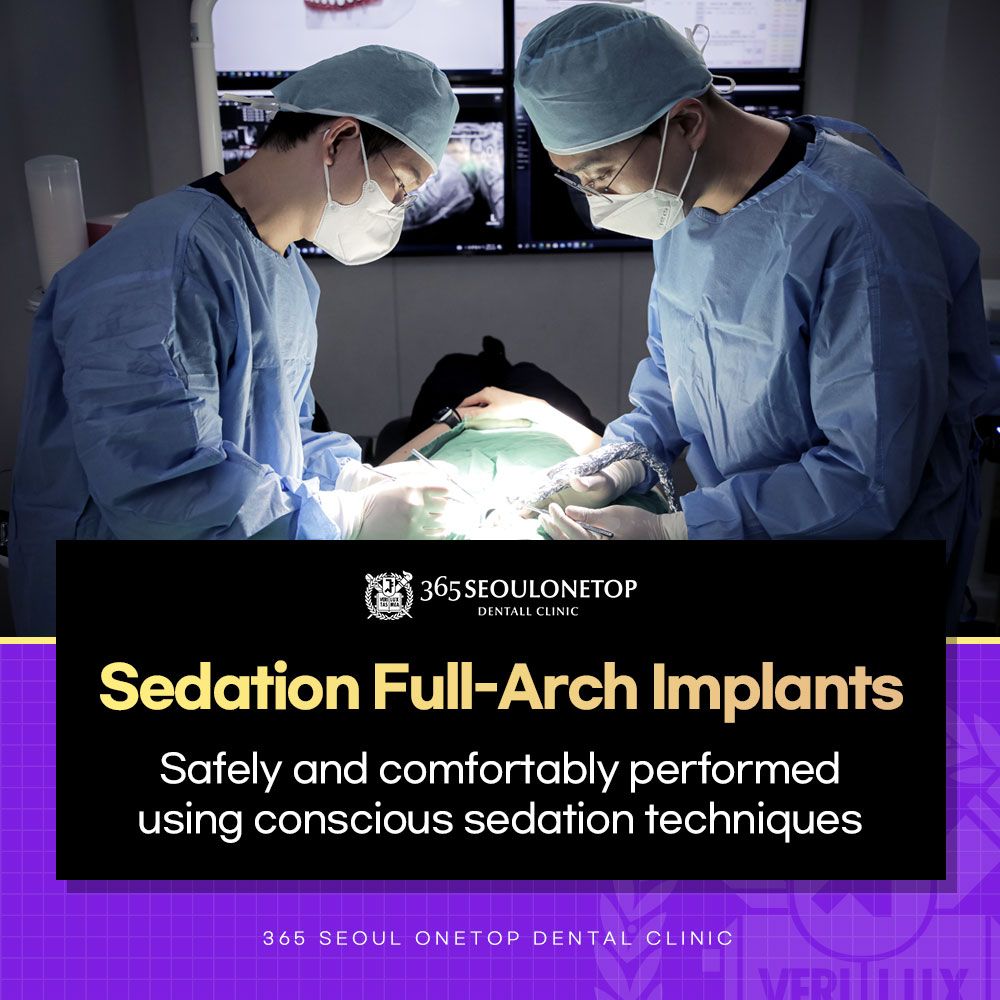
- Sedation dentistry: may be charged separately
- Premium implant brands or zirconia abutments: higher cost
- Extended warranties or long-term maintenance plans
These costs depend on bone condition, implant location, and treatment complexity.
Multiple Implants and Full-Mouth Restoration Costs
If more than one tooth needs replacement, clinics may offer bundled pricing, but the total cost still increases with complexity.
- Multiple single implants: usually priced per tooth
- Full-arch restoration (All-on-4 / All-on-6):
Typically ranges from ₩9,000,000 to ₩25,000,000, depending on materials, number of implants, and prosthetic design
These procedures replace an entire row of teeth and require advanced planning and surgical expertise.
Why Dental Implant Prices Vary So Much in Korea
Several factors influence pricing:
- Implant brand (domestic vs imported)
- Crown material (metal-ceramic vs full zirconia)
- Clinic location and reputation
- Dentist’s experience with complex cases
- Whether additional surgery is required
- Level of aftercare and warranty coverage
High-end clinics often charge more but may include better materials, longer warranties, and more detailed follow-up care.
Insurance Coverage for Dental Implants in Korea
For foreign patients, dental implants are generally not covered by Korean National Health Insurance.
Coverage is usually limited to:
- Elderly Korean citizens meeting age and eligibility criteria
Most international patients should expect to pay out-of-pocket, although some private international insurance plans may reimburse part of the cost after treatment.
Korea vs Other Countries: Cost Comparison
Compared to other countries, Korea remains highly competitive:
- United States: often $3,000–$7,000 per implant
- Australia / Europe: similarly high pricing
- Korea: often 30–70% cheaper with comparable technology
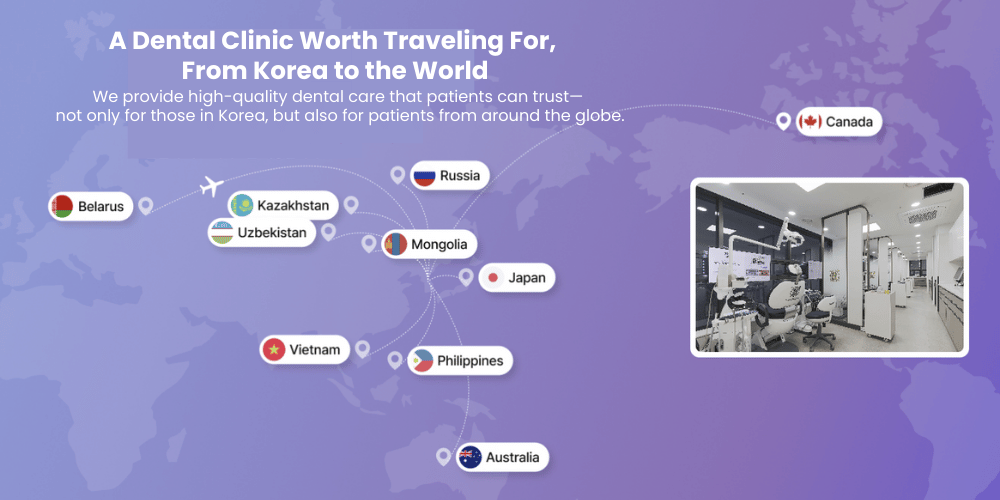
Even after accounting for travel and accommodation, many patients still find Korea more cost-effective.
Typical Dental Implant Timeline in Korea
- Initial consultation and imaging
- Implant placement surgery
- Healing period (usually 3–6 months)
- Abutment placement
- Final crown installation
Some clinics offer accelerated timelines, but proper healing is critical for long-term success.
Final Takeaway
Dental implant cost in Korea is affordable only when the full treatment scope is clearly explained. The safest approach is to confirm:
- Exactly what is included in the quote
- Whether bone grafts or additional procedures are extra
- The type of implant and crown materials used
- Warranty and aftercare policy
Understanding these details upfront helps avoid surprises and ensures better long-term results.