TMJ Disorder Treatment in Korea
Temporomandibular Joint Disorder (TMJ or TMD) affects the joint connecting your jawbone to your skull and can cause jaw pain, clicking/popping sounds, headaches, difficulty chewing, and muscle tension. Korea offers a range of TMJ treatment options — from conservative therapy to advanced procedures — often at lower cost compared to Western countries.
What TMJ Treatment Involves
1. Comprehensive Diagnostic Evaluation
Before treatment, clinics typically perform:
- Detailed clinical exam
- Bite analysis and muscle assessment
- Digital imaging (X-ray or 3D scan)
Accurate diagnosis helps tailor the best treatment plan.
Non-Surgical TMJ Treatment Options
Most people with TMJ improve with non-invasive care, and this is generally the first step in Korea:
🦷 Mouth Guard / Splint Therapy
Custom bite guards (night guards) help reduce teeth grinding, muscle tension, and joint strain — a core part of TMJ management.
- Cost range: ~₩200,000–₩400,000 (~$150–$300) depending on clinic and design.
🧠 Physical Therapy & Laser / TENS
Therapies like jaw exercises, heat/cold compress, laser therapy, or TENS help relax muscles and reduce pain.
- Per session cost: ~₩50,000–₩150,000 (~$35–$110) in many clinics.
💉 Botox Injections
Botox or similar injections can relieve muscle spasms and clenching pain around the jaw joint. Many dental clinics in Korea offer this as part of TMJ treatment.
- Cost range: ~₩150,000–₩350,000 (~$110–$260)
These non-surgical options are usually first-line treatments and effective for most cases without structural bone problems.
Minimally Invasive Procedures
When symptoms persist despite conservative care, some clinics may offer:
- Arthrocentesis (joint irrigation) — flushing the joint to reduce inflammation
- Intra-articular injections of steroids or hyaluronic acid
These are more advanced than splints or physical therapy and are often done under local anesthesia.
- Cost range (approximate at many Korean clinics): $1,000–$2,500 USD for arthrocentesis/minimally invasive joint procedures.
Surgical TMJ Treatment (When Needed)
Surgery is not common and usually reserved for:
- Severe structural problems
- Dislocated or degenerated joint disc
- Cases not responding to conservative therapy
Surgical options might include arthroscopy or open joint surgery. For severe bite-related TMJ pain tied to skeletal misalignment, jaw surgery (orthognathic surgery) may be considered — but this is distinct from routine TMJ therapy and involves repositioning jaw bones to correct underlying bite problems. Costs for major jaw surgery (like double jaw correction) can range widely, often $15,000–$25,000+ depending on complexity.
How Long Treatment Takes
- Initial evaluation: 1 visit
- Splint & therapy phase: weeks to months depending on severity
- Botox or injection therapy: repeat sessions may be recommended
- Physical therapy: often 5+ sessions over several weeks Dentist Gangnam
Surgical pathways involve longer overall time with pre- and post-op care.
Why Choose Korea for TMJ Treatment
Patients sometimes choose Korea because:
- Treatment costs are often 40–70% lower than in the US, Australia, or Canada for equivalent care.
- Advanced imaging and diagnostic technology
- Clinics offer tailored treatment plans with a mix of conservative and minimally invasive options. Dentist Gangnam
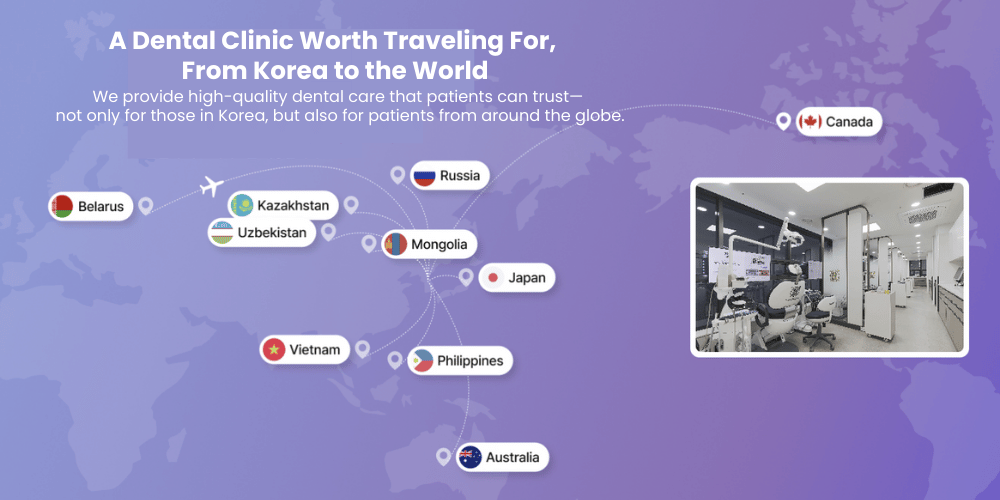
- English-speaking services are available in major cities like Seoul
When to Seek TMJ Care
Seek evaluation if you have:
- Jaw pain or tightness
- Clicking/popping sounds
- Difficulty chewing or opening your mouth
- Frequent headaches tied to jaw tension
- Facial or neck pain linked to jaw movement
Early treatment often prevents chronic symptoms.
Tips for Foreign Patients
✔ Ask for a detailed treatment plan with costs before starting care.
✔ Confirm how many visits are recommended and whether follow-up is needed.
✔ Request written aftercare instructions in English if needed.
✔ Clarify if night guards or therapy devices are custom or off-the-shelf.
Summary
TMJ disorder treatment in Korea ranges from non-surgical therapies like splints, physical therapy, and Botox injections to minimally invasive procedures and, in select cases, surgical options. Costs are generally lower than in Western countries, and many clinics offer multidisciplinary care tailored to symptom severity and patient goals. seoul.dentist