Same-Day Dental Implants in Korea: Is It Safe?
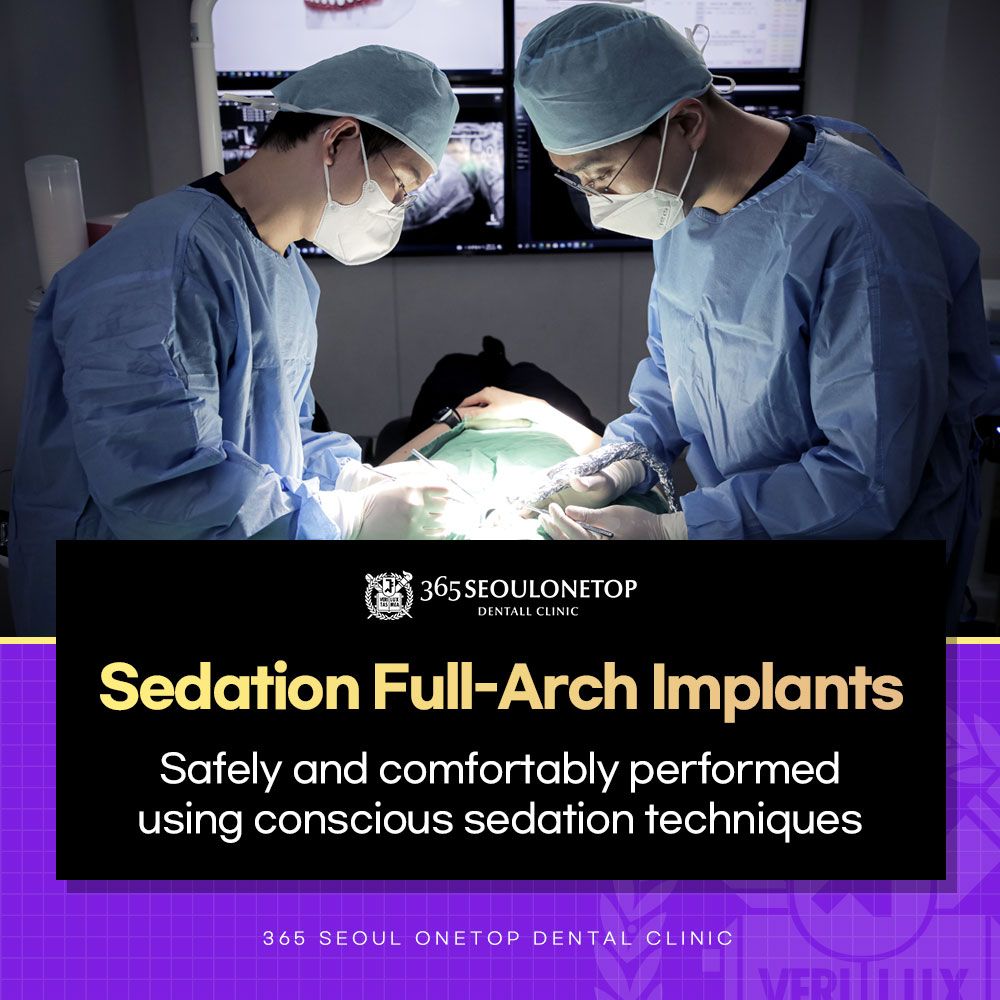
Same-day dental implants—also known as immediate implant placement or immediate loading—are increasingly offered in Korean dental clinics. In the right cases, this approach can be safe, effective, and predictable. However, it is not suitable for everyone.
This guide explains how same-day implants work in Korea, when they are safe, and when a conventional staged approach is the better option.
What Are Same-Day Dental Implants?
Same-day dental implants involve placing:
- the implant fixture, and
- often a temporary crown or bridge,
on the same day as tooth extraction or implant surgery.
This means patients can leave the clinic with a fixed tooth immediately, instead of waiting months without a tooth.
Important distinction:
- The implant is placed immediately
- The final permanent crown is placed later after healing
Is Same-Day Implant Surgery Safe in Korea?
Yes—when done under strict conditions.
Korea is considered one of the safer countries for same-day implant procedures due to:
- advanced 3D CT diagnostics
- digital surgical guides
- high implant case volume
- standardized protocols
However, safety depends far more on case selection than on speed.
When Same-Day Implants Are Safe
Same-day implants are generally safe when all of the following are true:
Good Bone Quality and Volume
- Sufficient jawbone to stabilize the implant
- No severe bone loss
- No uncontrolled infection
Strong Initial Implant Stability
- The implant must lock firmly into the bone at placement
- Measured by insertion torque and stability values
Healthy Gums
- No active periodontal disease
- Good oral hygiene
Controlled Bite Forces
- No severe teeth grinding
- Temporary crown kept out of heavy bite contact
When these criteria are met, Korean clinics report success rates comparable to traditional implants.
When Same-Day Implants Are NOT Recommended
Same-day implants are usually not advised if:
- Severe bone loss is present
- Sinus lift or major bone grafting is required
- Active infection exists at the extraction site
- The patient is a heavy smoker
- Severe bruxism (teeth grinding) is present
- Multiple complex implants are needed
In these cases, Korean dentists typically recommend:
- extraction
- healing or bone grafting
- delayed implant placement
This staged approach has the highest long-term success rate.
Same-Day Implants vs Traditional Implants
Same-Day Implants
- Immediate tooth appearance
- Fewer visits initially
- Requires strict case selection
- Temporary crown first, permanent crown later
Traditional (Delayed) Implants
- Implant placed after healing
- Crown placed months later
- More predictable in complex cases
- Gold standard for poor bone conditions
Korean clinics generally prioritize long-term stability over speed, even if same-day treatment is requested.
Success Rates in Korea
Clinical outcomes show:
- 95%+ success rates when properly selected
- Comparable to delayed implants in ideal cases
- Failures usually occur early (during healing), not years later
Once osseointegration is complete, long-term survival is similar for both methods.
What Korean Clinics Do to Improve Safety
To reduce risk, clinics typically:
- Use CBCT (3D CT) scans for planning
- Apply guided implant surgery
- Avoid heavy bite contact on temporary crowns
- Delay permanent crown placement for 3–6 months
- Schedule frequent follow-ups
Same-day does not mean rushed—it means efficient but controlled.
Common Misunderstanding: “Teeth in a Day”
Marketing phrases like “teeth in a day” often mean:
- immediate temporary teeth
- not final crowns
- not full healing
Permanent crowns are still placed only after:
- bone integration is complete
- soft tissue is stable
Understanding this avoids unrealistic expectations.
Final Takeaway
Same-day dental implants in Korea can be safe and effective, but only when the patient is a good candidate. Korean dental clinics are generally conservative and will recommend immediate implants only when stability and long-term success are not compromised.
If bone quality, infection risk, or bite force is a concern, a traditional staged implant remains the safer option.
- The best implant treatment is not the fastest one—it is the one that lasts.